The Horses of the Camargue
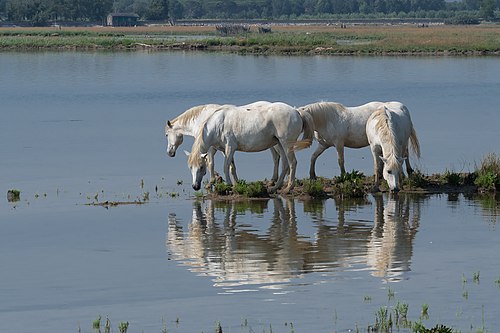
The Camargue horse, with its striking white coat and semi-feral lifestyle, is an enduring symbol of the wetlands of southern France. For centuries, these horses have roamed the marshes and salt flats of the Rhône delta, living alongside the region’s traditional cattle herders, the Gardians.
Believed to be one of the oldest horse breeds in the world, the Camargue is renowned for its hardiness, agility, and gentle temperament. The breed’s origins are shrouded in mystery, but archaeological evidence suggests that horses have lived in the Camargue region since prehistoric times.
Origins and Adaptations
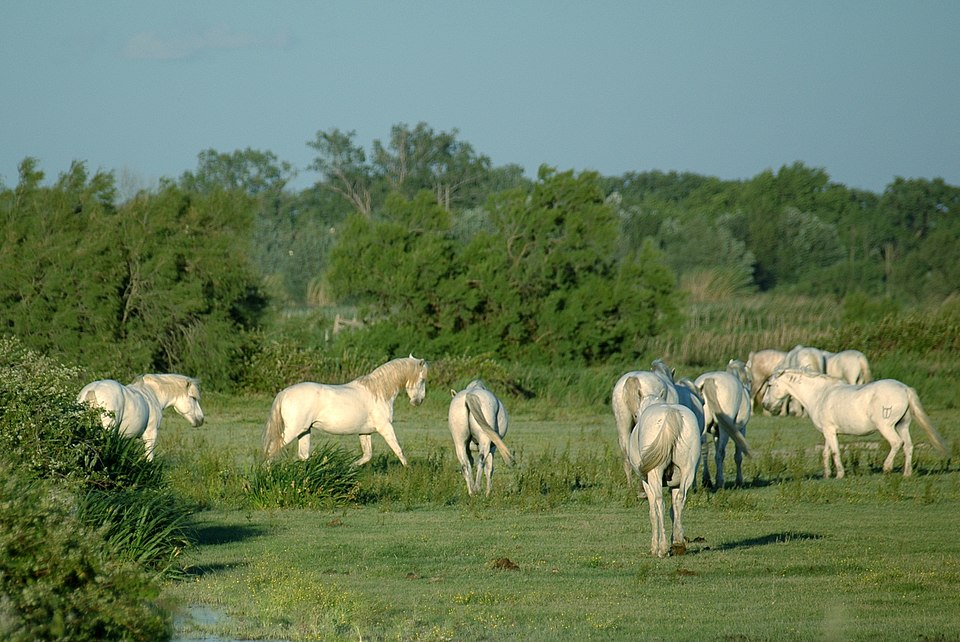
The Camargue’s unique environment has shaped the breed’s characteristics. Living in a landscape of water, mud, and reeds, these horses have developed strong hooves, a compact build, and a remarkable resistance to disease. Their white coats, which develop as they mature, help reflect the harsh Mediterranean sun.
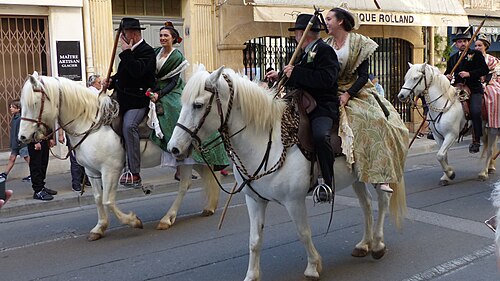
Traditionally, Camargue horses are not stabled or pampered. They live in semi-wild herds, managed by the Gardians, who use them for cattle work and local festivals. The bond between horse and rider is central to Camargue culture, and the annual “abrivado” and “bandido” events showcase the breed’s agility and spirit.
Role in Camargue Culture
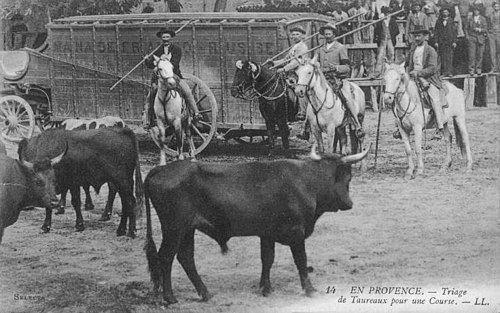
The Camargue horse is more than just a working animal; it is a cultural icon. The Gardians, often compared to American cowboys, rely on their horses for managing the region’s famous black bulls. The horses’ calm demeanor and sure-footedness make them ideal for navigating the wetlands and participating in traditional games.
A living link to the past and a testament to the resilience of both horse and human culture.
Today, the Camargue horse continues to thrive, thanks to conservation efforts and the enduring traditions of the region. Visitors to the Camargue can witness these magnificent animals in their natural habitat, a living link to the past and a testament to the resilience of both horse and human culture.
Related Stories
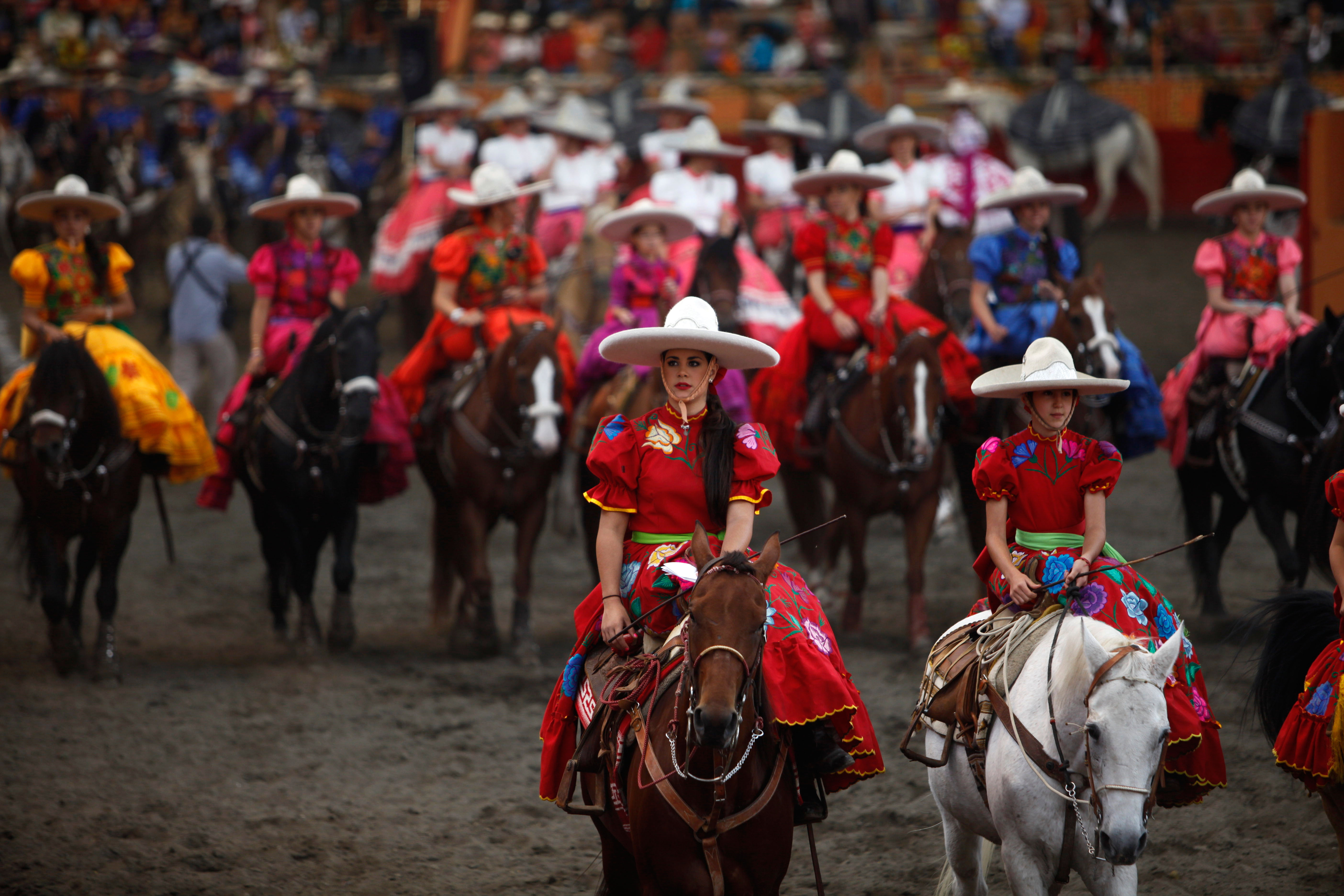
Escaramuza: Women, Horses, and Tradition in Mexico's Arena
Set to music and performed at full gallop, Escaramuza brings eight riders into the arena as a single unit. Riding sidesaddle, they move through crossing lines and sweeping turns with precision and control.
.jpg)
The Side Saddle: An Evolution Shaped by Constraint, Craft, and Culture
The side saddle was not a decorative tradition but a technical response to social constraint. This article traces its evolution from medieval Europe to its peak in British hunting.
The Horses of the Camargue
Tough, white, and semi-feral, the Camargue horse is a living part of southern France's wetland culture. This article explores the breed's origins, traits, and working life with the Gardians.