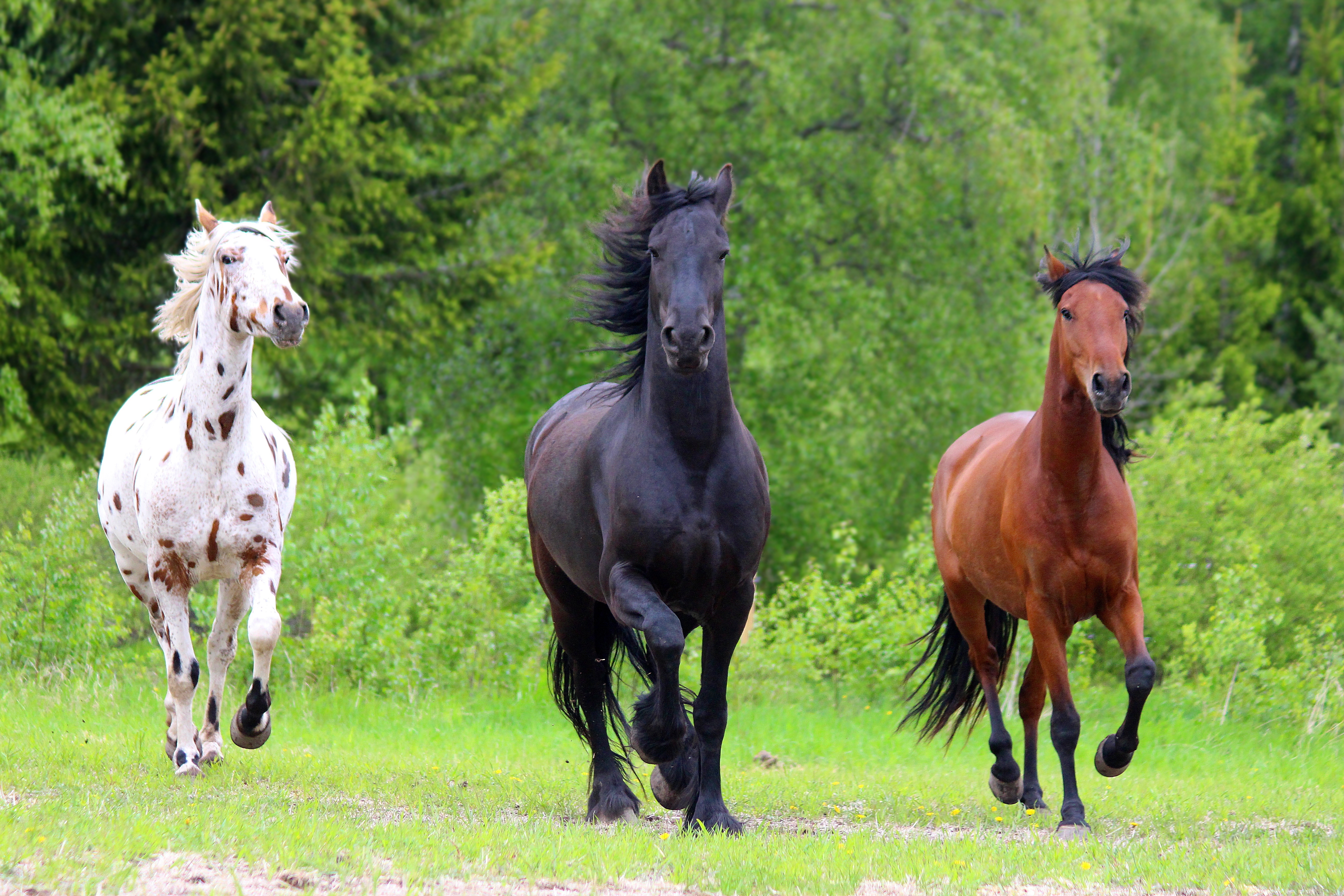
Horses have shaped how humans move, fight, farm, celebrate, and survive. Their story isn't one story — it's thousands, spread across every continent and century, embedded in the languages, rituals, and identities of cultures that are still alive today.
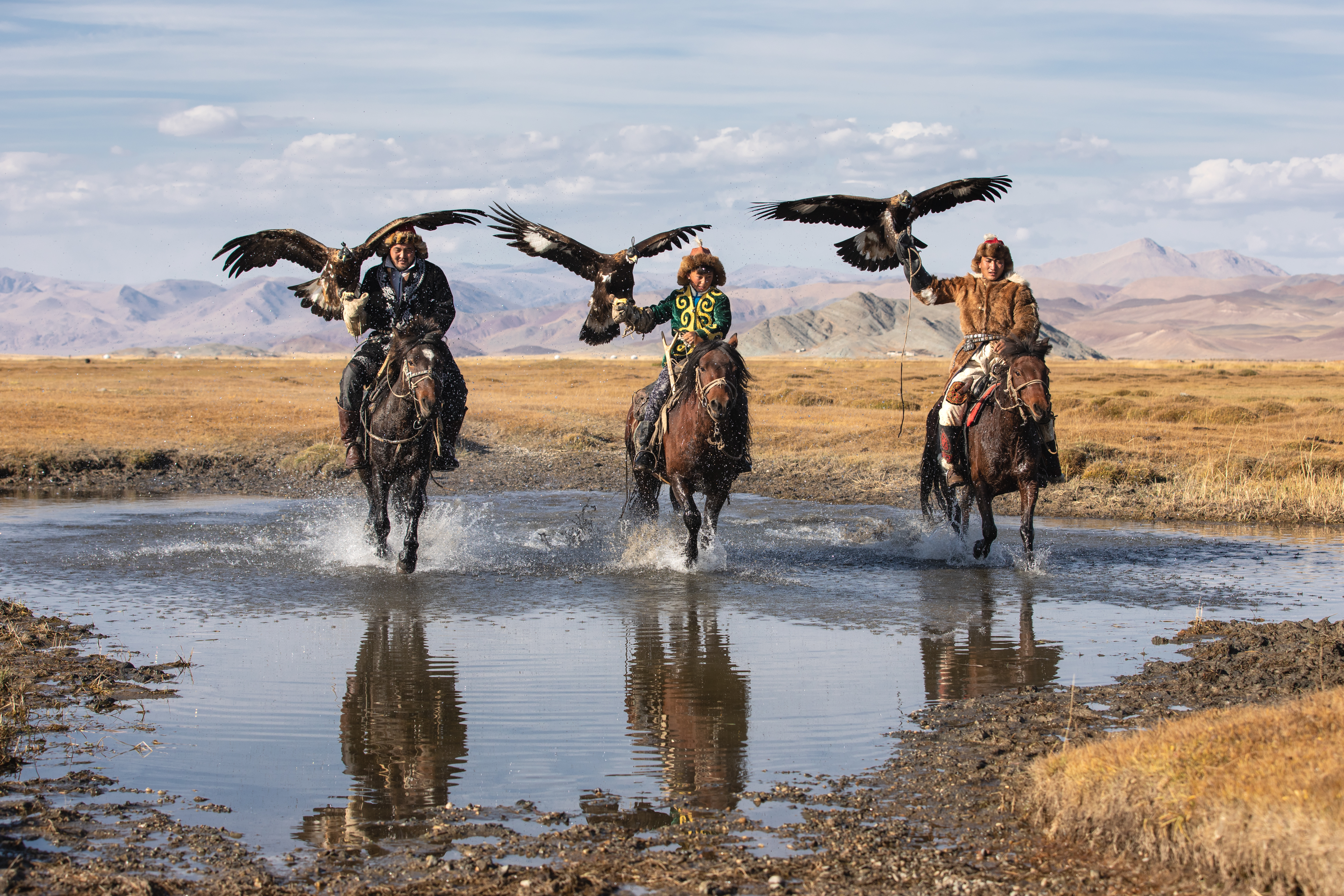
Not just the familiar ones. The history of horses and humans is far wider than the traditions that tend to dominate — beyond the European arena, the Western saddle, the canonical breeds. From the steppes of Central Asia to the arenas of Mexico, from the wetlands of the Camargue to the plains of the American Southwest, horses and the people who lived alongside them developed distinct ways of riding, working, making, and meaning. Those traditions deserve the same attention, the same depth, the same care.
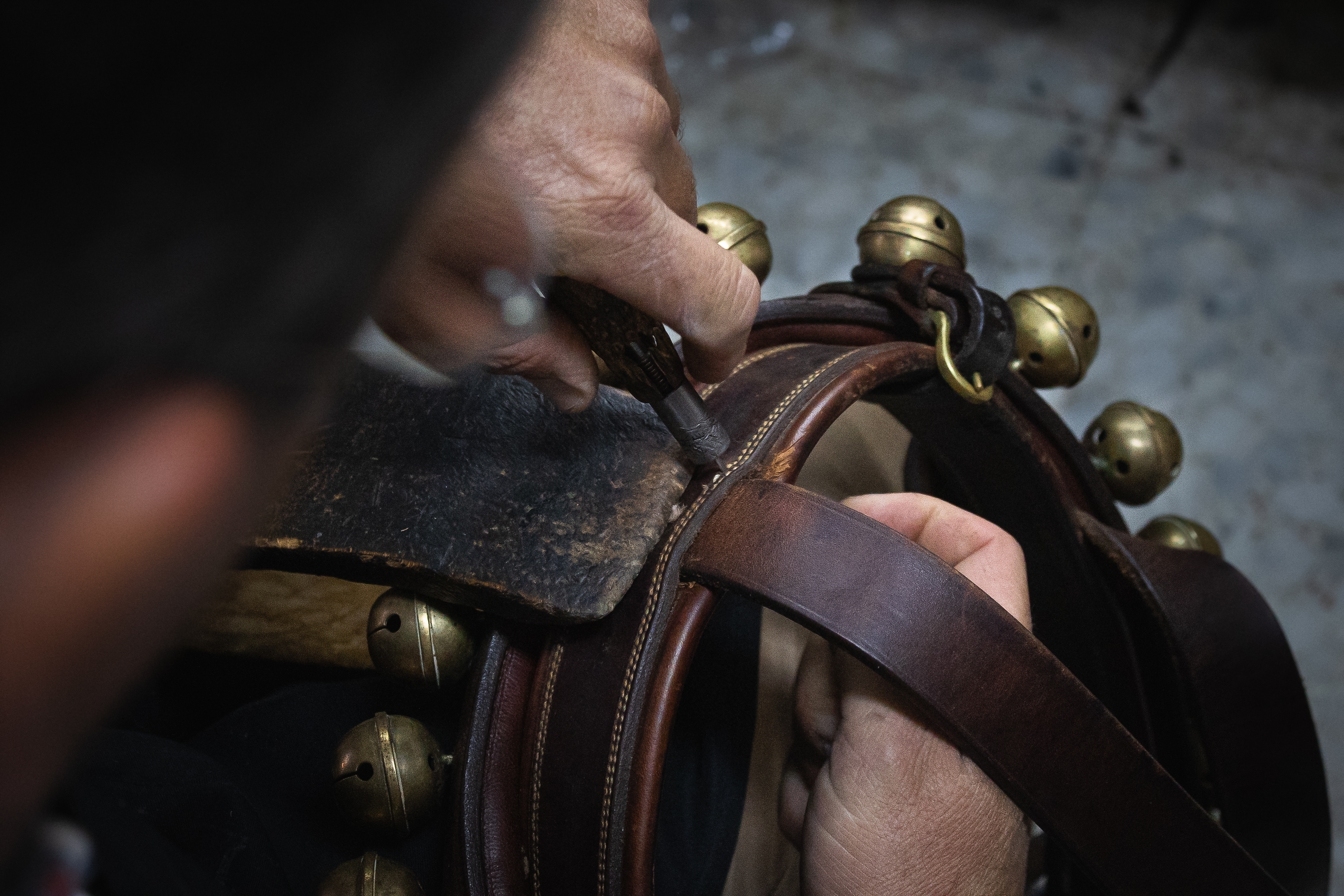
That care extends to craft. The saddle, the bridle, the bit, the carriage, the ceremonial ornament — these are not just objects. They are the material record of a culture's relationship with the horse: the problems it solved, the values it expressed, the hands that made it. Craftsmanship and culture are not separate here. They are the same story told in different forms.
You don't need to have grown up around horses to find something here. You just need to be the kind of person who, once they start reading, wants to know more.
Each piece takes its time. The subjects — a breed, a tradition, a way of life built around horses — are layered enough to deserve it. The aim is always to understand something more clearly than before.
Horse culture is living history. Given Free Rein is here to explore more of it.