Soul of Spain
Part I - Bloodlines of Empire
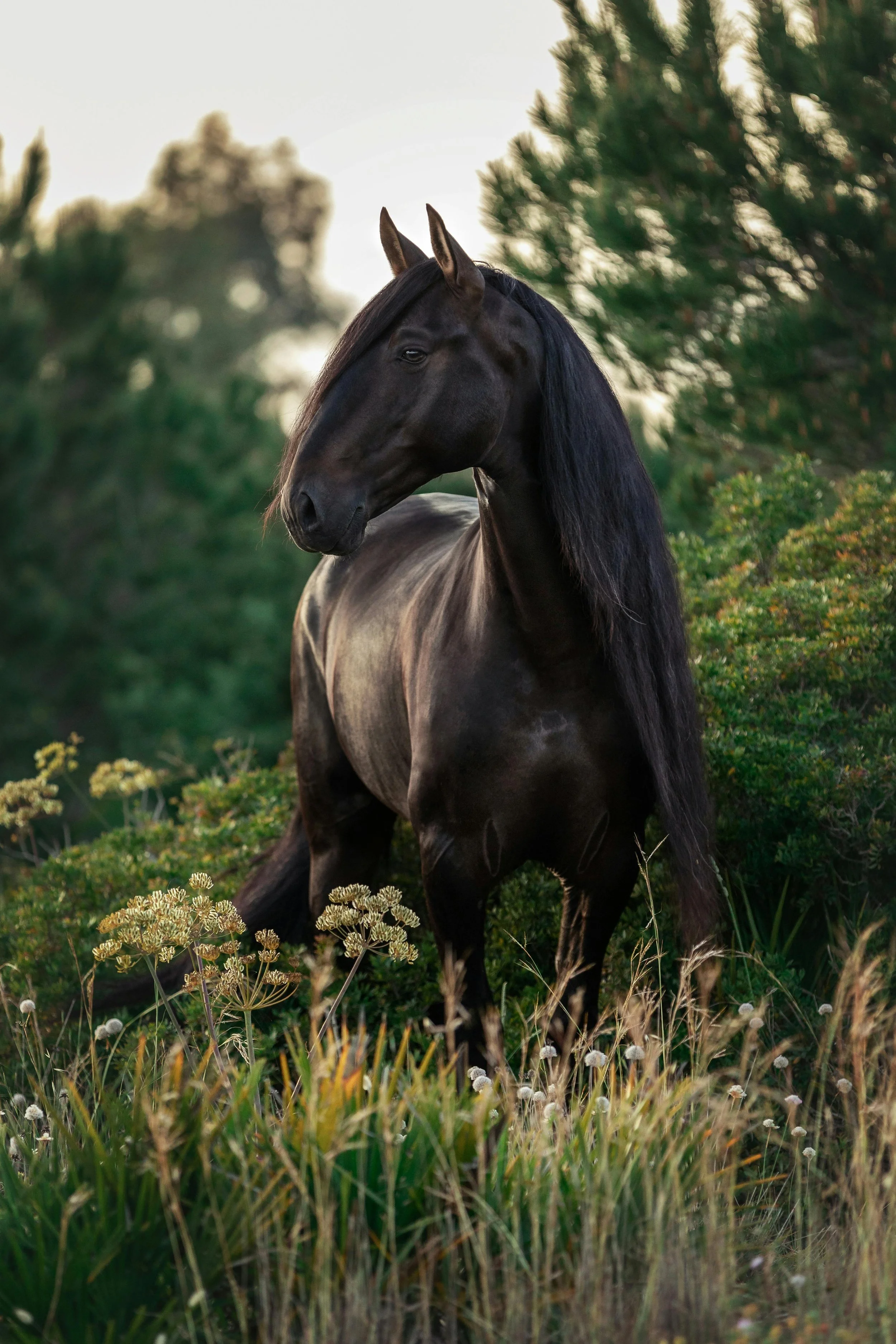
The Andalusian is not a modern invention. It is an inheritance. A creature shaped by terrain, by empire, by faith, and by fire. It carries in its body the architecture of time - arched neck, deep chest, elevated gaits - and in its mind, the memory of centuries.
Long before Spain was Spain, horses roamed the Iberian Peninsula, wild and essential. The first echoes of their presence appear in ochre and charcoal, painted onto the stone walls of caves like El Castillo and La Pileta. These were not decoration - they were reverence. Horses were survival, spirit, and story.
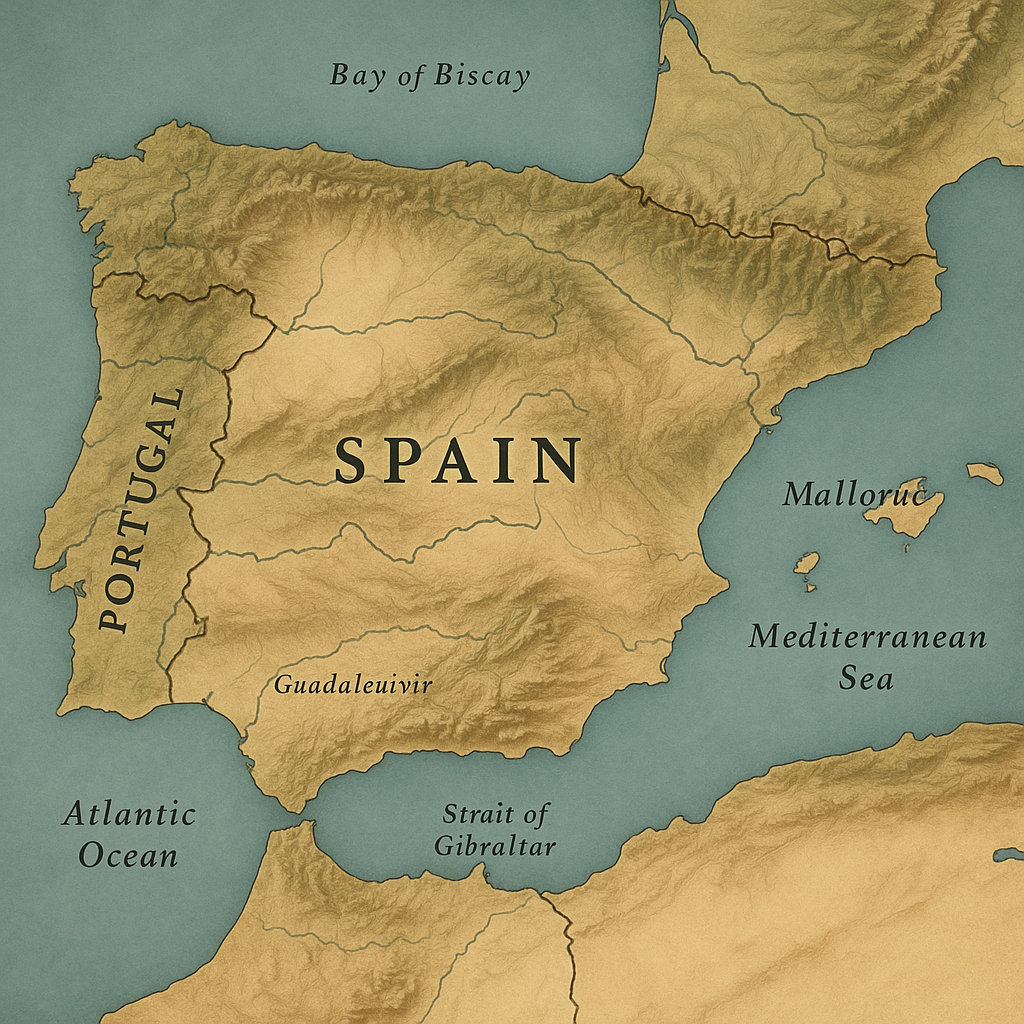
The Iberian Peninsula; home of the Andalusian
Layers of Influence
Over centuries, new layers were added. Phoenicians came, and then Greeks. Carthaginians traded horses for war. The Romans brought cavalry and discipline.
But it was the arrival of the Moors in 711 AD that began to shape what we now recognise as the Andalusian. They crossed their North African Barbs with Iberian stock, producing a horse that was both elegant and fierce, quick-footed and intelligent.
And with those horses, they brought knowledge: veterinary science, saddle design, training philosophies rooted in harmony and softness - ideas that would echo into classical dressage.
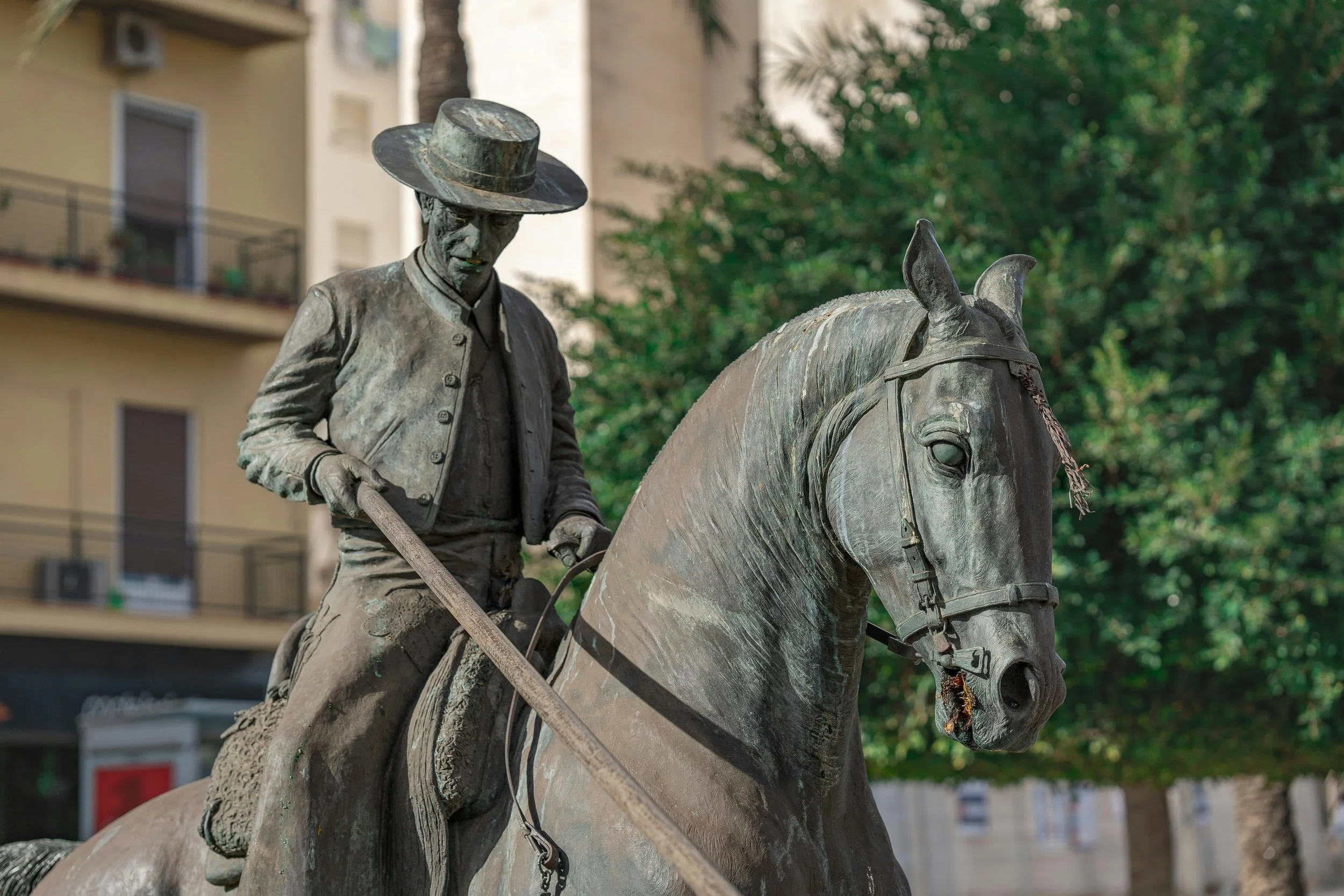
Andalusian horse memorialised in statue
The Monks of La Cartuja
As the Reconquista pushed southward, Christian horsemen absorbed rather than erased what came before.
The Carthusian monks of La Cartuja near Jerez became quiet stewards of the breed, refining and preserving it with monastic care. Their breeding practices were meticulous - pairing horses not only for conformation but for character. The stallions of La Cartuja became known for their expressive movement, noble temperaments, and striking appearance.
These monks protected the purity of the Andalusian through turbulent centuries, refusing to crossbreed even under pressure from changing trends or political instability.
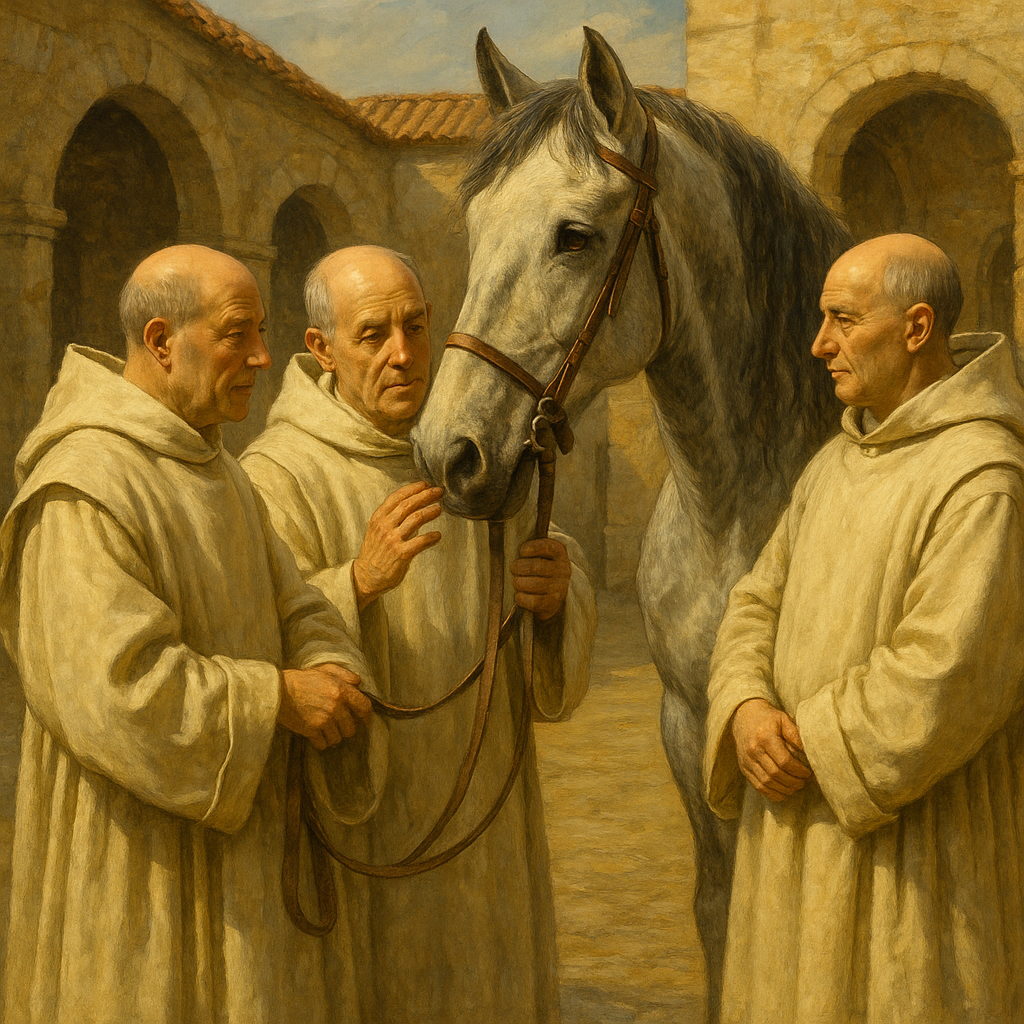
The Monks of la Cartuja with an Andalusian
A Horse of Empire
By the time Spain stepped into its imperial golden age, the Andalusian was already an emissary.
It carried kings into battle and diplomats into ceremony. Its compact power and agile mind made it invaluable on the battlefield - responsive, brave, and collected.
But it also became a symbol. It led royal processions, performed in tournaments, and became a living emblem of the crown.
Monarchs from across Europe sought them. The French court admired their elegance; the Habsburgs adopted them for parade and war; the breed was exported to Naples and Austria, where it helped shape the Lipizzaner.
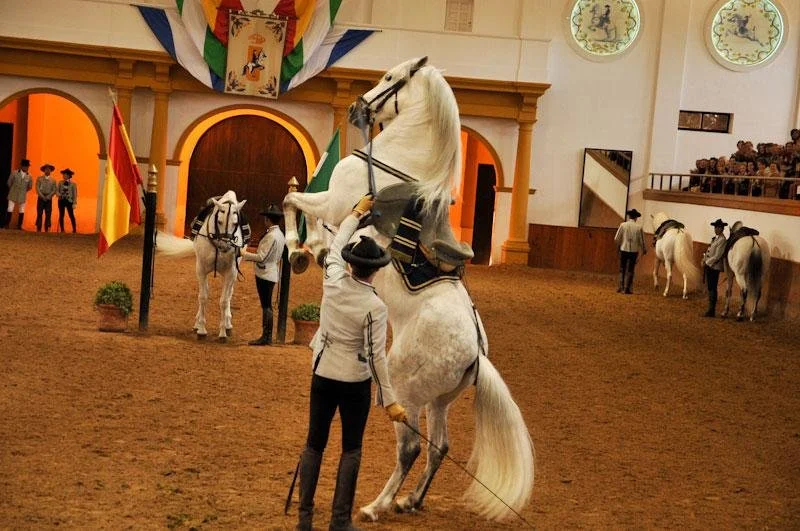
Andalusians even had influence in shaping the Lipizzaner
Immortal In Art
Its elegance and strength found their way into the art of empire.
The Andalusian was immortalised in the brushstrokes of painters like Velazquez and Goya, often standing beside nobility, poised but alive - neck arched, eye bright, a body made for movement and monument. In these paintings, the horse is never background. It is statement.
This was never just a horse for show. It was born for war, but made for art. Its strength came in equal measure from its body and its spirit. To watch it collect, to see it rise into a levade or piaffe, is to feel something older than performance. It is memory made visible.
Across centuries, the Andalusian horse has adapted but never disappeared. From cave walls to cathedrals, from battlefield to royal arena, it has remained a quiet constant in a shifting world. Its survival is not an accident - it is the result of purpose, care, and deep cultural value. And here in Andalusia, that legacy still rides strong.
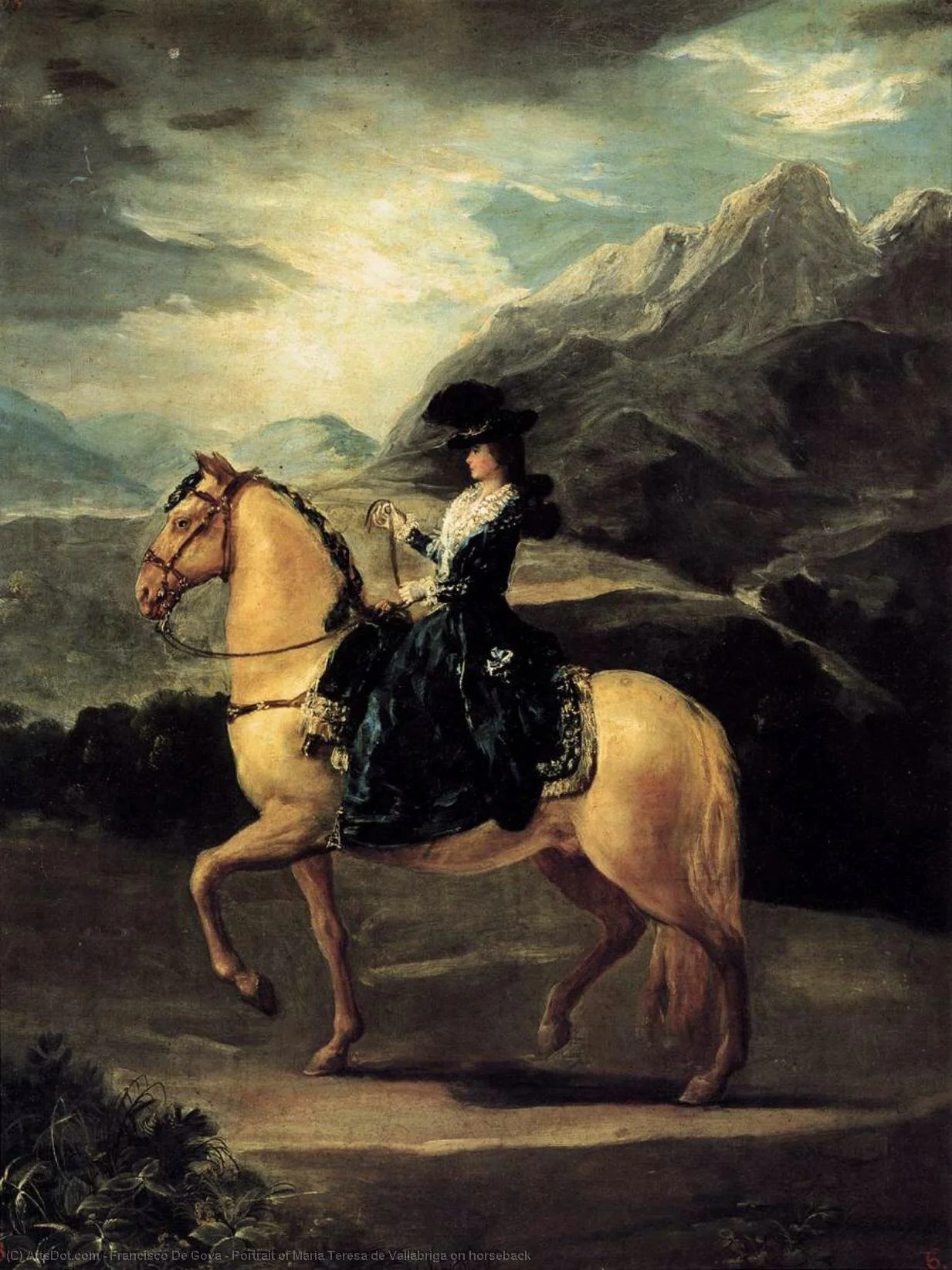
Andalusians seen in art throughout the region
Related Stories
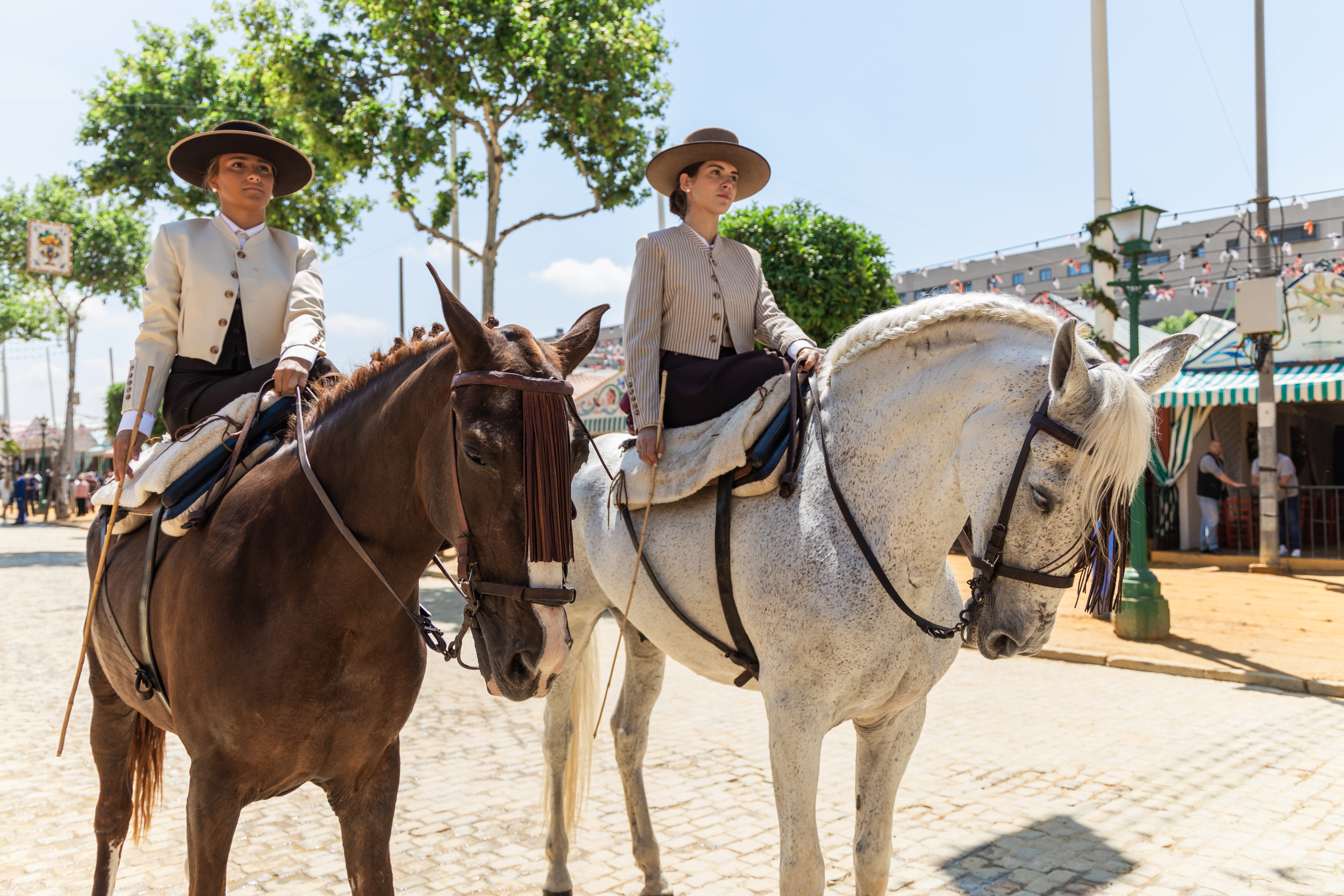
The Side Saddle: An Evolution Shaped by Constraint, Craft, and Culture
The side saddle was not a decorative tradition but a technical response to social constraint.
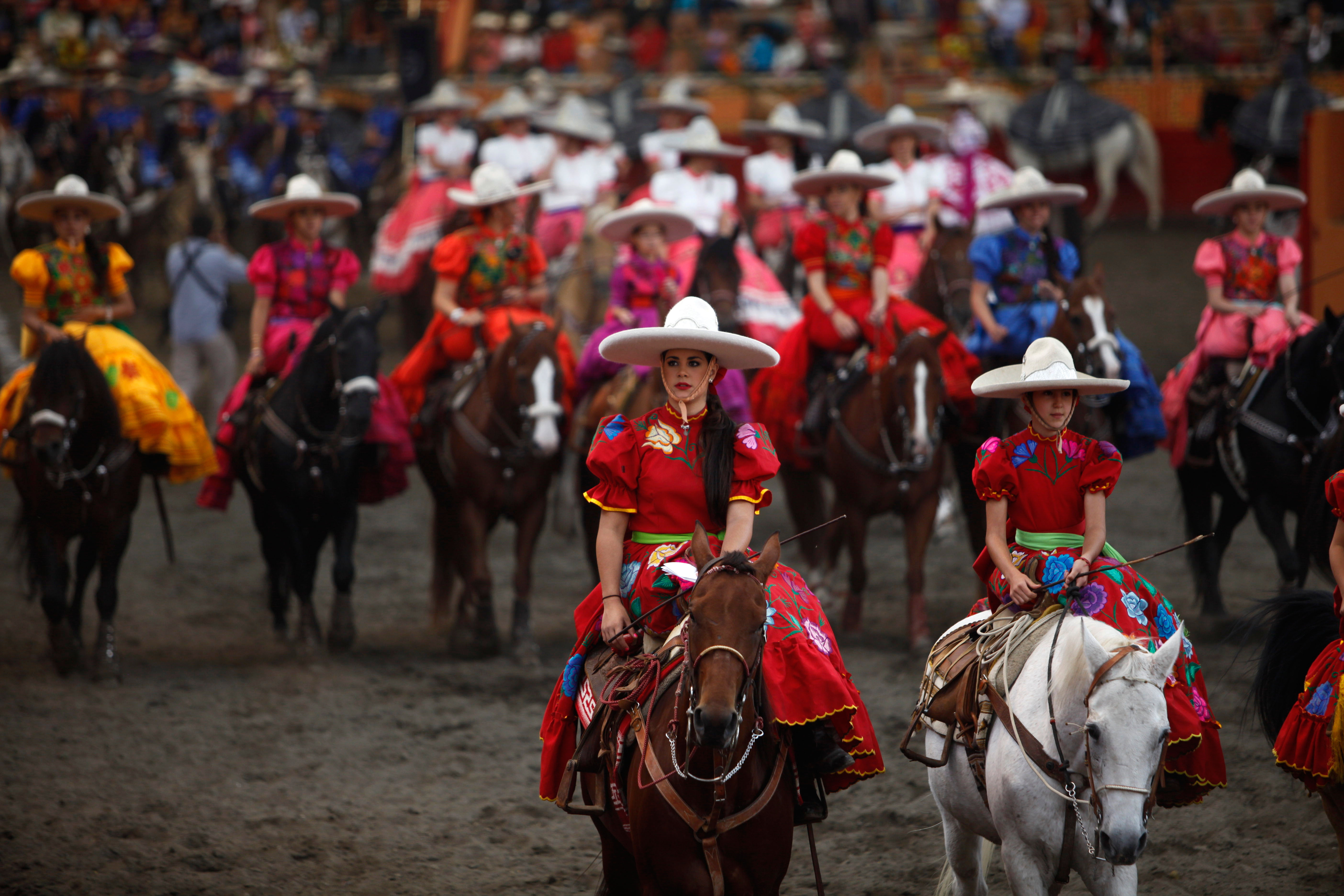
Escaramuza: Women, Horses, and Tradition in Mexico's Arena
Set to music and performed at full gallop, Escaramuza reveals a side of horsemanship built on precision, discipline, and heritage.
Lords of the Southern Plains: The Rise and Fall of the Comanche Horse Nation
For the Comanche, the horse was the foundation of warfare, survival, and freedom across the Southern Plains.